 Arthur O. March 26, 2026

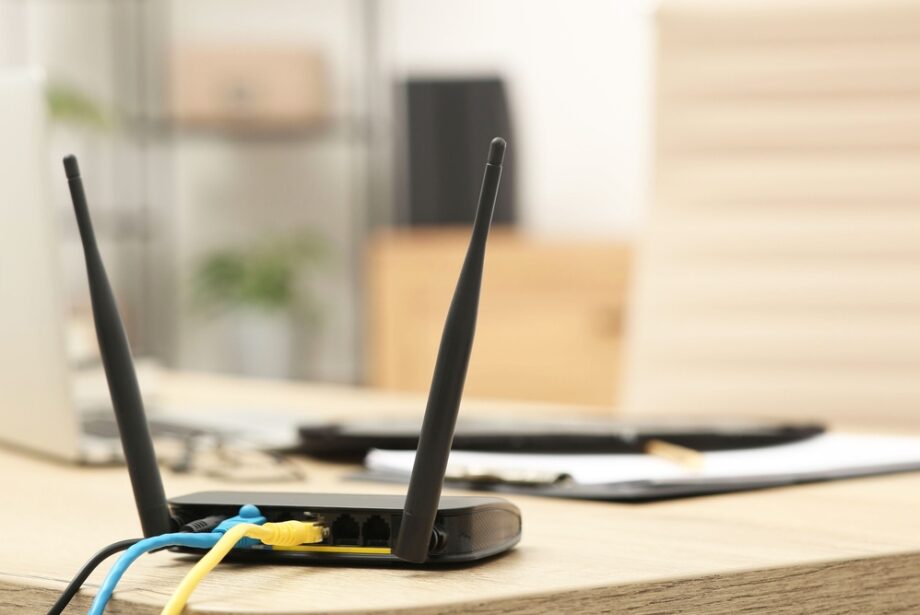
Federal regulators have moved to cut off a major supply line into the U.S. consumer tech market, voting to ban the import of certain consumer‑grade Wi‑Fi routers over national security concerns. The decision, led by the Federal Communications Commission (FCC), marks one of the most significant security‑driven interventions into home networking gear to date and could reshape what Americans can buy to get online.
A New Front in Router Security
In its order, the FCC targets consumer‑grade routers that are deemed to pose “unacceptable risk” to U.S. communications infrastructure and national security, particularly devices tied to foreign adversaries or vendors that have failed repeated security audits. The focus is not just on where the hardware is made, but on who controls the firmware, update pipeline, and data paths that run through these boxes in American homes and small businesses.
Regulators have long warned that poorly secured or compromised routers can serve as ideal footholds for espionage and large‑scale botnets. By choking off imports at the border rather than trying to respond to incidents after deployment, the FCC is signaling that prevention—via supply‑chain control—is now a central pillar of its security strategy.
Why Consumer Routers Are a National Security Risk
Consumer‑grade routers sit at the edge of millions of home and small‑office networks, quietly handling everything from remote work traffic to smart‑home telemetry. Unlike carrier‑grade gear, they are often:
- Sold at razor‑thin margins, encouraging cost‑cutting on security.
- Shipped with weak default passwords and outdated firmware.
- Rarely updated by end users, if updates even exist.
That combination makes them perfect targets. Once compromised at scale, consumer routers can be used to:
- Intercept traffic or metadata from journalists, government contractors, and critical‑infrastructure employees working from home.
- Launch distributed denial‑of‑service (DDoS) attacks against government or corporate targets.
- Provide persistent, low‑visibility access into U.S. networks for hostile intelligence services.
The FCC’s move reflects mounting concern that leaving this layer of the ecosystem unregulated is no longer tenable when adversaries can quietly bake in backdoors or ship devices with deliberate, non‑obvious weaknesses.
What the Ban Actually Does
Practically, a ban on importing certain consumer‑grade routers is likely to have several immediate and medium‑term effects:
- Blocked imports for flagged vendors and models
Distributors and retailers will be unable to bring in newly manufactured units that fall under the order. Existing inventory already in the country may be treated differently, depending on how the FCC structures grace periods and carve‑outs. - Certification and authorization pressure
Vendors that want to keep selling into the U.S. market will face stricter certification, attestation, and testing requirements, not just for radio compliance, but for secure development practices, update mechanisms, and supply‑chain transparency. - Market shifts and price impacts
Some low‑cost options may disappear from major online marketplaces and big‑box shelves, at least temporarily. That could nudge prices upward in the short term, while opening room for vendors that can demonstrate stronger security and compliance.
For consumers, the change may feel gradual rather than abrupt. Routers already in living rooms will not suddenly stop working, but the range of choices next time someone upgrades is likely to look very different.
What This Means for Home Users and Small Businesses
From a practical standpoint, the security posture of the average home router has been poor for years; the ban is an attempt to fix the problem at the root rather than relying on every individual user to become their own network engineer.
For end users and small businesses, key implications include:
- Greater scrutiny of router brands and models
Buyers will increasingly be encouraged—or required by policy—to choose devices that have clear security support lifecycles, frequent firmware updates, and transparent provenance. - Increased importance of updates and configuration
Even with better‑vetted hardware, insecure configuration (default passwords, remote admin enabled, UPnP everywhere) remains a risk. Education around router hygiene will become even more important as policy shifts spotlight the issue. - Potential incentives for managed solutions
ISPs and security vendors may lean into managed router offerings—devices where updates, hardening, and monitoring are centrally handled—reducing the burden on non‑technical users.
As a cyber security blogger, this is a prime moment to help readers translate a seemingly bureaucratic policy into concrete steps they can take at home.
Guidance Talking Points for Your Audience
You can turn this story into practical guidance by focusing on:
- Know your router’s origin and support status
Encourage readers to identify their current router brand/model, check the vendor’s update page, and verify whether firmware is still maintained. - Replace end‑of‑life or “no‑name” devices
Position the FCC’s move as a nudge: if a router hasn’t seen updates in years—or its maker is opaque or hard to reach—it’s time to upgrade. - Adopt baseline security practices
- Change default admin credentials.
- Disable remote administration unless strictly needed.
- Turn off WPS and ensure modern Wi‑Fi encryption (WPA2‑AES or WPA3).
- Schedule or regularly check for firmware updates.
- Ask ISPs better questions
Provide readers with a short script: “Do your provided routers receive automatic security updates? How long are models supported? Can I use my own router that meets current security standards?”
