 Arthur O. December 8, 2025


A widespread robocall scam is targeting Walmart shoppers — using fake AI voices claiming to be “Emma” or “Carl” from Walmart to trick victims into giving up personal or financial information. The scam has drawn the attention of the Federal Communications Commission (FCC), making it a significant consumer alert in late 2025.
How the Scam Works
Scammers use artificial or spoofed voices that identify themselves as “Emma” or “Carl,” posing as Walmart employees. The caller then claims there was a “preauthorized purchase” — often a high-value item like a special-edition gaming console — charged to your Walmart account. The message cites an amount and prompts you to “Press 1 to cancel.”
Pressing “1” connects you to a live operator, who tries to get you to confirm personal info — like Social Security number, billing info, or account credentials — under the guise of “verifying” or “canceling” the purchase. The call is part of a massive campaign: as many as 8 million robocalls were traced to a single voice-service provider during a recent period.
The voices are convincingly human-like, often using AI-generated or prerecorded scripts. The message triggers emotional responses — fear, confusion, urgency (“you must cancel now”) — which can override cautious thinking. Because Walmart is a highly trusted, widely used retailer, the scam plays on familiarity and urgency — making it more effective at tricking people.
How to Protect Yourself from This Scam
Never trust unsolicited calls claiming to be from “Walmart Fraud” or similar. Hang up immediately. Go to the retailer’s official website or contact their customer service directly using numbers found on their official site.
Don’t give out personal or financial information over the phone. Legitimate retailers will not ask for SSN, bank account info, or payment data via robocall.
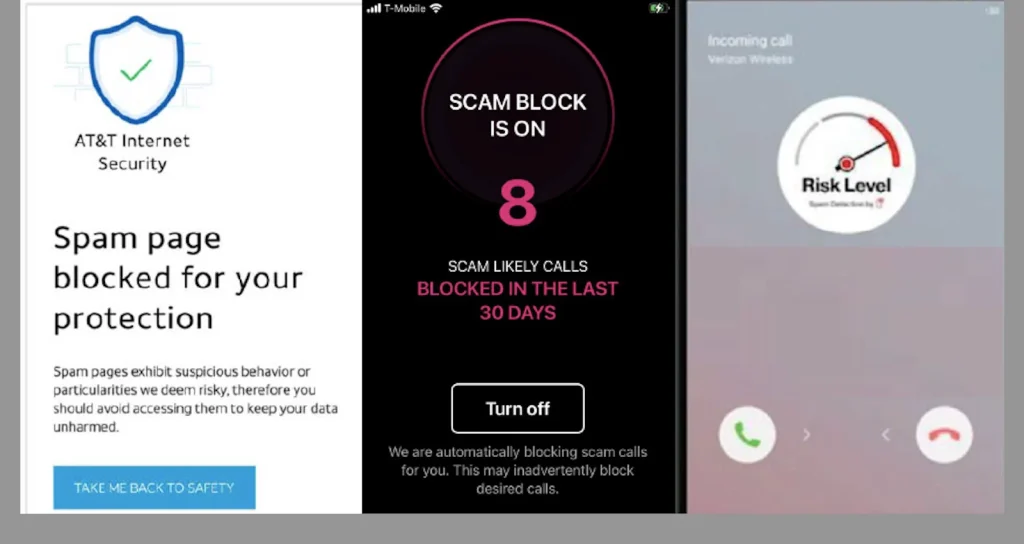
Use call-blocking tools and spam filters. Many carriers and third-party apps can block known spam numbers or flag suspicious calls. Also, you can forward the number to your phone carrier’s spam reporting service (e.g. 7726 in the U.S.) and report to regulators if required.
Verify any suspicious charges through your official account. If you’re told there’s a purchase on your account, log in yourself to check — don’t rely on caller claims.
The robocall scam is a stark reminder: scammers constantly evolve, and even trusted brands like Walmart can be exploited to lend believability to fraud. Vigilance, skepticism, and verifying independently are your best defenses. If you receive a call claiming suspicious purchases from Walmart (or any retailer), treat it as suspicious — and verify through official channels before you respond.
