 Arthur O. May 26, 2026

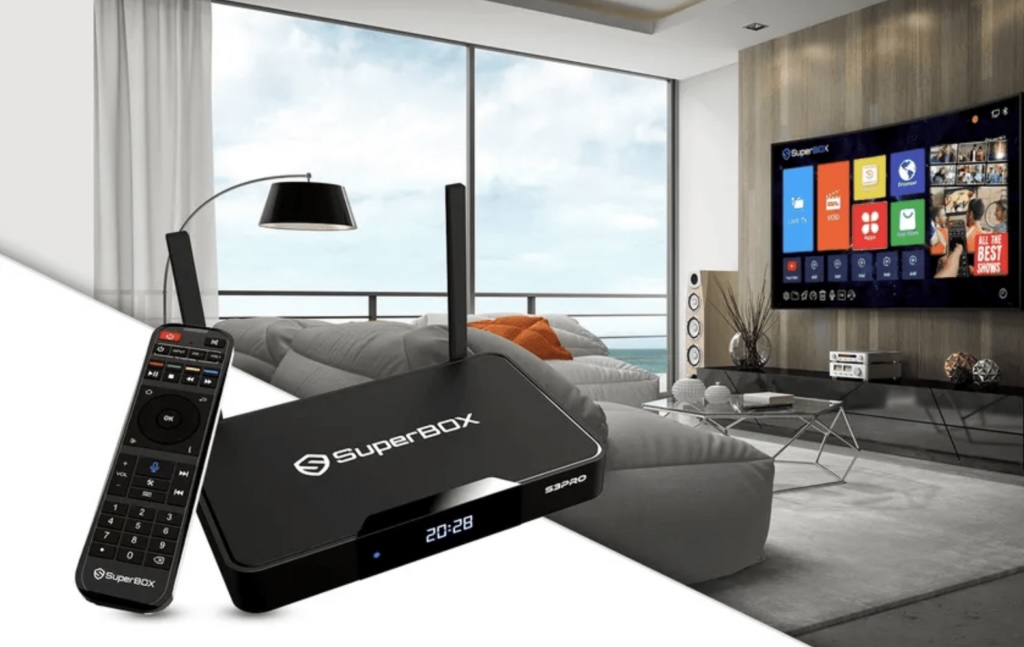
SuperBox promised endless movies and channels for a one-time fee. Security researchers found it was also secretly enlisting millions of households into a criminal botnet.
It looked like a bargain. A sleek black box, roughly the size of a paperback novel, promising access to more than 2,200 streaming channels — Netflix, ESPN, Hulu, live sports — for a one-time payment of around $400. No monthly bills. No contracts. For cord-cutters tired of juggling half a dozen subscriptions, the SuperBox seemed almost too good to be true.
It was. Security researchers have now documented that the same device quietly transforming living rooms into entertainment hubs was simultaneously turning home internet connections into relay nodes for cybercriminals — a form of residential proxy abuse that supports advertising fraud, account takeovers, and distributed denial-of-service attacks. And it was doing it without users ever knowing.
What Is SuperBox — And Where Did It Come From?
SuperBox is an Android-based media streaming device sold by Super Media Technology Company Ltd., a company with a listed address in China. On the surface it resembles legitimate streaming sticks from Amazon, Roku, or Apple — plug it into your TV’s HDMI port, connect it to Wi-Fi, and start watching. What separates it from those products is what happens under the hood.
Available through third-party sellers on major retail platforms, including Walmart and Best Buy, the device attracted a large customer base by marketing itself to budget-conscious households. Its website at one point ran a blog post titled “Cheap Cable TV for Low Income: Watch TV, No Monthly Bills.” The pitch was straightforward: pay once, watch everything forever.
SuperBox maintains a legal fig leaf on its website, stating it does not pre-install apps that bypass paywalls and insisting that “customers must use official apps and licensed services.” But researchers found this disclaimer difficult to reconcile with how the device actually operates from the moment of setup.
“The more I looked, things got weirder and weirder!”
Ashley, senior solutions engineer, Censys cyber intelligence
How It Works — The First Red Flag
To access those thousands of channels, the device requires users to replace Google’s official Play Store with an unofficial app marketplace called the “App Store” or “Blue TV Store.” SuperBox cannot run its proprietary streaming apps without this step because the device does not use Google-certified Android TV software. Once the legitimate Google ecosystem is removed, the unlicensed streaming apps become available for download — outside any of Google’s security review processes.
This matters enormously from a security standpoint. Google’s app vetting process, while imperfect, provides a meaningful layer of protection. Sidestepping it entirely means every app installed on the device is unreviewed, unverified, and free to behave in ways a user would never consent to — if they knew.
Researchers at Censys, a cyber intelligence firm that indexes internet-connected devices globally, purchased SuperBox units directly from retail shelves — including one from Best Buy — and studied their network behaviour in a controlled malware lab. What they found was alarming.
Botnets, Proxies, and Over a Million Compromised Devices
Within moments of connecting to a network, the devices contacted a server associated with the Chinese messaging platform Tencent QQ, as well as a residential proxy service called Grass IO. Researchers determined the devices were silently enrolling users’ home internet connections into a distributed residential proxy network — routing third-party internet traffic through the user’s IP address without their knowledge or consent.
A separate forensic analysis was conducted by Dakota State University’s Digital Forensics for Cyber Enforcement Lab, commissioned after concerns were raised at a regional ISP conference in late 2025. DSU’s findings were stark: the SuperBox is not simply a piracy device. It operates as a remotely controlled platform capable of silently installing or removing applications without the owner’s knowledge — and can be disabled entirely by the manufacturer at any time via a built-in remote “kill switch.”
Kaspersky’s research team, publishing their findings in May 2026, documented that devices in this category do not merely stream pirated content — they actively scan the local network for other vulnerable targets, including industrial SCADA control interfaces, and stand ready to participate in large-scale DDoS attacks. The FBI issued a formal public service announcement in June 2025, warning consumers about this category of device. Researchers have identified over one million compromised devices worldwide.
- Botnet participation – Device relays criminal traffic through your home IP address
- Silent malware – Apps install and remove themselves without user knowledge or consent
- Network scanning – Device probes other devices on your Wi-Fi, including work laptops
- Privacy exposure – Unauthorized apps harvest personal data and share it with third parties
- Remote kill switch – The manufacturer can disable the device — or change its behaviour — at any time
- Legal liability – Your IP address may be flagged for crimes you did not commit
The Bigger Picture – Your Home Network Is the Attack Surface
Security professionals stress that the danger extends far beyond the streaming box itself. Because the device connects to the same Wi-Fi network as every other device in the home — smartphones, laptops, smart home devices, work computers — a compromised SuperBox has a direct line to all of them. Lateral movement attacks, where malware pivots from one device to others on the same network, are a documented and frequently used technique.
For remote workers, the implications are particularly severe. A corporate laptop on the same home network as a SuperBox creates a potential vector into company systems — a security incident that could trigger policy violations, forensic investigation costs, and serious professional consequences. The FBI’s 2025 warning specifically highlighted risks to home offices.
There is also the question of attribution. When criminal botnet traffic routes through your IP address, your internet connection becomes part of the evidence trail for fraud, account takeovers, and DDoS attacks you had no involvement in. Law enforcement investigations have been complicated by exactly this kind of residential proxy abuse.
“It’s not a TV accessory — it’s an untrusted Android computer with internet access, and someone else may still have a hand on the controls.”— Security researcher analysis, 2026
Legal Context – The Grey Zone SuperBox Exploits
SuperBox has long sheltered behind a carefully constructed legal argument: it sells hardware, not piracy. It claims no responsibility for how customers use the device. This defence has limited but real force — the sale of the box itself is not illegal, and users do technically choose which apps to install.
However, legal experts and consumer advocates have challenged whether this defence holds when the device’s entire setup process is designed to bypass Google’s official ecosystem and the only functional use case for most buyers is accessing unlicensed content. Several ISPs in the United States have begun monitoring and restricting traffic associated with these devices, citing network congestion, increased support costs, and security concerns for their broader customer base.
Steps to Take Now
- If you own a SuperBox or similar device, disconnect it from your home network immediately. Do not reconnect it while you assess the risk.
- Change your Wi-Fi password and router admin credentials after removing the device — any device that has been on the network may have harvested these.
- Review your router’s device logs and connected device list for any unfamiliar entries that may indicate lateral compromise.
- Run a full security scan on every device that shared the network with the streaming box — particularly laptops and smartphones.
- Consider segmenting your network using a guest Wi-Fi network for smart home and streaming devices, isolating them from computers and phones.
- Review and change passwords for any accounts accessed from devices on the same network, particularly email, banking, and work accounts.
- Only use streaming devices from manufacturers that use certified, verified Android TV systems — such as Chromecast, Amazon Fire TV, Roku, or Apple TV.
- Report suspicious network activity to your ISP and, where appropriate, to the FBI’s Internet Crime Complaint Center (IC3) at ic3.gov.
SuperBox did not respond to requests for comment ahead of publication. Its website continues to market the device through major retail platforms at the time.
Notable Sources
- Krebs on Security — “Is Your Android TV Streaming Box Part of a Botnet?” (Nov. 2025)
- Kaspersky Official Blog — Android TV Botnet analysis (May 2026)
- Dakota State University Digital Forensics for Cyber Enforcement Lab — SuperBox forensic report (2026)
- FBI Public Service Announcement — piracy streaming device warning (June 2025)
- Censys cyber intelligence — SuperBox network behaviour study (2025)
- TrioTel / SDN ISP investigation report (April 2026)
